Milanda Script Font Evaluation
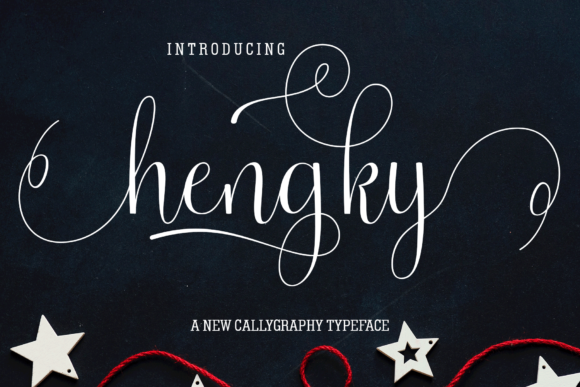
When selecting typography for a creative project, the choice often defines the emotional tone of the final output. Milanda is a typeface designed with a specific aesthetic in mind: it is a sweet and delicate script font characterized by a simple and neat style. Unlike elaborate calligraphic scripts that rely on heavy flourishes or high contrast, Milanda offers a more restrained approach to handwriting simulation. This article evaluates the characteristics of Milanda, explores its practical applications, and helps designers determine if this specific font aligns with their project requirements.
Understanding the Design Characteristics
To evaluate whether Milanda is suitable for a project, one must first understand its structural properties. The font is defined by its "sweet" and "delicate" nature. In typographic terms, this usually translates to thin stroke widths, soft curves, and a lack of aggressive serifs or sharp angles. The "simple and neat" descriptor suggests that the letterforms are legible and do not suffer from excessive ornamentation that might clutter a design.
This design philosophy makes Milanda distinct from traditional cursive fonts that prioritize artistic flair over readability. Instead, it leans towards a clean, modern interpretation of handwriting. The spacing between letters (kerning) appears consistent, ensuring that words flow together without appearing disjointed or overly cramped. For a designer seeking a balance between organic movement and structured layout, these traits provide a solid foundation for decision-making.
Primary Applications and Use Cases
The versatility of Milanda stems from its ability to convey intimacy and personal touch without overwhelming the viewer. Below are specific scenarios where this font demonstrates strong performance:
- Watermarks on Photography: Photographers often need a signature that adds a personal brand element without distracting from the image itself. Because Milanda is delicate, it can be overlaid on complex backgrounds with lower opacity while remaining visible. Its neat style ensures that the watermark does not look like a cheap stamp but rather an elegant signature.
- Signature Logo Designs: For brands in the lifestyle, beauty, or boutique sectors, a logo needs to feel human and approachable. Milanda serves as an excellent base for custom logotypes. Its simplicity allows for easy modification, enabling designers to add unique ligatures or adjust specific strokes to create a proprietary mark.
- Quote Graphics and Social Media: In digital marketing, text overlays must be readable at small sizes. The straightforward structure of Milanda ensures clarity even when scaled down for mobile screens. It pairs well with minimalist imagery, reinforcing themes of elegance and sincerity.
- Album Covers and Editorial Design: Music albums or magazine features focusing on acoustic music, poetry, or personal narratives benefit from the font's emotive quality. It suggests a story being told personally by the artist or author.
- Business Cards and Stationery: When printing on textured paper or using foil stamping, a thick or bold script can sometimes lose detail. Milanda's fine lines maintain their integrity during the printing process, offering a refined look for professional correspondence.
Benefits and Strengths
Selecting Milanda offers several functional advantages for designers and clients alike. The primary benefit is versatility within a niche. While it is clearly a script, its "neat" classification prevents it from feeling dated or overly ornate, allowing it to fit into modern, clean layouts. This bridges the gap between traditional handwritten aesthetics and contemporary minimalism.
Another significant advantage is readability. Many script fonts struggle when used for anything longer than a single line of text. However, Milanda's simple construction means that short paragraphs or multiple lines of quotes remain legible. This makes it a safer choice for projects requiring slightly more substantial text blocks than typical headlines.
Furthermore, the font supports brand consistency. Because the style is distinct yet not overpowering, it can be used across various media—from digital screens to physical print—without losing its character. It creates a cohesive visual language that feels warm and inviting.
Tradeoffs and Considerations
No typeface is universally perfect, and understanding the limitations of Milanda is crucial for effective selection. The most notable tradeoff involves weight and visibility. Due to its delicate nature, the font may lack the impact required for large-scale outdoor advertising or signage where immediate attention is necessary. In such contexts, a bolder weight or a sans-serif alternative might be more appropriate.
There is also the consideration of legibility in dense text. While better than many scripts, Milanda is still a display font. It should not be used for body copy in long-form articles or technical documentation. The human eye requires higher contrast and simpler shapes for extended reading sessions, which this font does not provide.
Additionally, designers must consider pairing compatibility. A delicate script like Milanda requires a complementary sans-serif or a very light serif to avoid visual competition. If paired with another decorative font or a heavy bold typeface, the hierarchy of the design may collapse, resulting in a chaotic appearance.
When to Choose Alternatives
While Milanda is a strong candidate for many projects, there are situations where other options may yield better results. If a project requires a formal, corporate, or authoritative tone, Milanda might appear too casual or whimsical. In such cases, a geometric sans-serif or a classic serif would communicate stability and professionalism more effectively.
Similarly, if the goal is to evoke a vintage, retro, or rustic feel, Milanda might be too clean. Fonts with rough edges, varying stroke widths, or explicit period-specific characteristics would better serve those thematic goals. Finally, for projects involving multilingual support, it is essential to verify that Milanda includes the necessary character sets. Some specialized scripts have limited glyph coverage compared to standard system fonts.
Decision-Making Insights
To determine if Milanda aligns with your specific goals, consider the following checklist:
- Define the Emotional Goal: Does the project require a sense of warmth, personal connection, or softness? If yes, Milanda is likely a strong fit.
- Assess the Medium: Will the font be viewed primarily on digital screens or printed on small items? Milanda excels here. Will it be viewed from a distance or in large formats? Consider alternatives.
- Evaluate Text Volume: Is the text limited to headings, signatures, or short phrases? Milanda is ideal. Is the text meant to be read for minutes at a time? Avoid this font.
- Check Pairing Options: Can you identify a neutral partner font that will let Milanda shine without competing? If so, proceed with confidence.
In conclusion, Milanda represents a thoughtful choice for designers seeking a script that balances artistry with functionality. Its sweet and delicate profile makes it particularly effective for branding, photography, and editorial accents where a human touch is desired. By carefully weighing its strengths against the specific demands of the project, users can make an informed decision that enhances the overall visual communication strategy.