Understanding Satteck: A Balanced Guide to This Elegant Script Font
In the world of typography, few elements carry as much emotional weight as a handwritten script. For designers, event planners, and brand managers aged 20 to 50 who are constantly evaluating visual assets, finding the right typeface can be the difference between a design that feels generic and one that resonates deeply with its audience. Satteck has emerged as a notable contender in this space, offering a blend of style and elegance that appeals to those seeking a sophisticated handwritten touch. But is it the perfect solution for every project? To answer that question, we must look beyond surface-level aesthetics and examine how Satteck fits into the broader landscape of design resources.
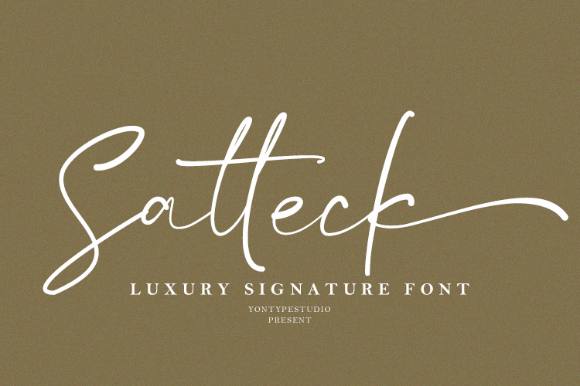
Satteck is more than just a decorative font; it is a stylistic tool designed to mimic the fluidity and grace of high-end calligraphy. Its distinct character lies in its ability to balance legibility with artistic flair. Unlike many script fonts that sacrifice readability for ornamentation, Satteck maintains a clean structure while introducing subtle flourishes that suggest movement and personality. This makes it particularly effective for projects where the text needs to feel personal yet professional.
Distinguishing Features of Satteck
When evaluating Satteck against other digital typefaces, several specific characteristics stand out. The primary differentiator is its stroke variation. The font features natural transitions between thick and thin lines, which mimics the pressure applied by a real pen on paper. This creates a sense of rhythm and flow that static serif or sans-serif fonts often lack.
Furthermore, the ligatures and connecting strokes in Satteck are carefully crafted. In many script fonts, connections between letters can appear forced or overly complex. Satteck avoids this pitfall by ensuring that the joins feel organic. This attention to detail is crucial for professional applications where even minor imperfections can detract from the overall quality of the work. The font's curves are rounded but not soft, providing a modern edge that prevents it from feeling dated or overly traditional.
Another key aspect is its versatility across different media. While some scripts look stunning on a screen but fail when printed, Satteck holds up well in both environments. The vector-based construction ensures sharp edges at any size, making it suitable for everything from small business cards to large-scale banners. This adaptability is a significant factor for users who need a single resource to handle multiple deliverables without compromising consistency.
Evaluating Satteck Against Design Alternatives
Choosing a font is rarely about picking the "best" option in isolation; it is about selecting the right tool for a specific context. When comparing Satteck to other categories of typography, such as modern sans-serifs, classic serifs, or alternative script families, distinct tradeoffs become apparent.
- Comparison with Formal Serifs: Traditional serif fonts like Garamond or Baskerville offer authority and timelessness. However, they can sometimes feel rigid or corporate. Satteck provides an immediate emotional connection that serifs cannot match. If your goal is to convey warmth, intimacy, or celebration, Satteck is the superior choice. Conversely, if you are designing a legal document or a technical manual, a formal serif remains the appropriate standard.
- Comparison with Modern Sans-Serifs: Clean sans-serif fonts like Helvetica or Roboto are excellent for clarity and minimalism. They excel in user interface design and data-heavy layouts. Satteck introduces complexity and texture that can clutter these types of designs. However, for branding materials that aim to stand out in a crowded market, the unique personality of Satteck offers a competitive advantage over the ubiquitous nature of standard sans-serifs.
- Comparison with Other Scripts: The script category is vast, ranging from casual brush styles to elaborate blackletter forms. Many scripts struggle with legibility when used for body text or longer phrases. Satteck strikes a middle ground. It is elegant enough for headlines and invitations but structured enough to remain readable in short paragraphs or captions. This balance reduces the cognitive load on the reader, allowing them to focus on the message rather than deciphering the letterforms.
Strategic Use Cases and Decision Factors
For professionals researching design resources, understanding the ideal use cases for Satteck is essential. The font shines brightest in scenarios where human connection is paramount. Wedding invitations are perhaps the most obvious application. The intricate details of Satteck complement the romantic and celebratory nature of weddings, adding a layer of exclusivity that stock photography alone cannot achieve.
Similarly, thank you cards and greeting cards benefit immensely from the handwritten aesthetic. In an era dominated by digital communication, a physical card featuring Satteck feels like a deliberate gesture of care. The font elevates the perceived value of the message, signaling that the sender invested time and thought into the presentation.
Business applications also present interesting opportunities. While one might assume a script font is too informal for corporate branding, Satteck proves otherwise when used strategically. It works exceptionally well for logos in industries related to lifestyle, beauty, artisanal goods, and hospitality. A logo featuring Satteck suggests craftsmanship and attention to detail. However, it requires careful pairing. Using Satteck as the primary logo element often necessitates a simpler supporting typeface to ensure the overall brand identity remains balanced and accessible.
Limitations and Considerations
No single font is a universal solution, and Satteck is no exception. One of the primary limitations of using Satteck is its impact on accessibility. Because of its decorative nature, it may not be suitable for individuals with certain reading difficulties or dyslexia. Additionally, the font should generally be avoided for long-form body text. The eye fatigue caused by tracking complex script characters over extended periods can reduce comprehension and engagement.
Another consideration is file compatibility and licensing. Before integrating Satteck into a commercial project, it is vital to verify the licensing terms. Some script fonts have restrictions on the number of impressions or specific usage rights. Furthermore, while Satteck is versatile, it relies heavily on proper kerning and spacing. Automated tools do not always handle script kerning perfectly, so manual adjustment is often required to achieve the intended look. Designers must be prepared to invest time in fine-tuning the layout to maximize the font's potential.
Making the Right Choice for Your Project
Deciding whether to incorporate Satteck into a design workflow depends on a clear assessment of the project goals. If the objective is to create a sense of luxury, tradition, or personal touch, Satteck is a strong candidate. Its ability to convey elegance without appearing archaic makes it a timeless addition to a designer's toolkit.
However, if the project demands maximum efficiency, strict adherence to grid systems, or a highly functional user experience, a more neutral typeface might be preferable. In these instances, Satteck could serve as an accent rather than a headline feature. For example, using Satteck for section headers while maintaining a sans-serif font for the body text can provide the best of both worlds: visual interest without sacrificing readability.
Ultimately, the decision comes down to the narrative you wish to tell. Satteck tells a story of refinement and artistry. It invites the viewer to slow down and appreciate the details. Whether you are crafting a wedding suite, a boutique logo, or a heartfelt note, understanding the strengths and boundaries of Satteck allows you to make informed decisions that enhance your design outcomes. By weighing the aesthetic benefits against practical constraints, you can determine if this elegant script is the right partner for your next creative endeavor.