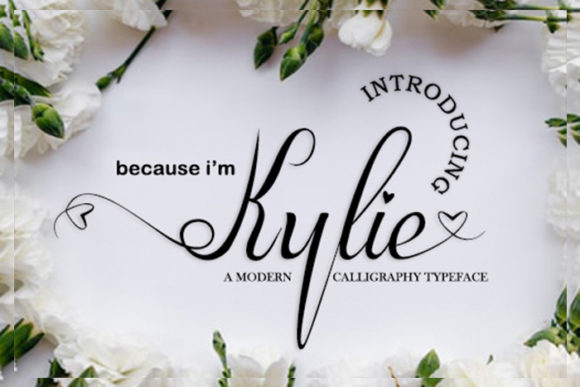
Kylie: The Natural Script Font for Modern Branding
In a digital landscape saturated with rigid geometric sans-serifs and overly polished serifs, finding a typeface that feels genuinely human can be a challenge. This is where Kylie steps in. It is not just another decorative font; it is a natural and stylish script designed to bridge the gap between handwritten authenticity and professional polish. Whether you are designing a wedding invitation or rebranding a startup, Kylie offers a fluidity that commands attention without sacrificing readability.
The core appeal of this font lies in its ability to mimic the organic flow of a brush pen while maintaining the structural integrity required for commercial use. It captures the essence of a quick, confident stroke, making every headline feel personal and every logo feel bespoke. For professionals aged 20 to 50 who value both aesthetics and efficiency, Kylie provides a versatile toolset that adapts seamlessly to various mediums.
Understanding the Design Philosophy Behind Kylie
At its heart, Kylie is built on the principle of effortless elegance. Unlike many script fonts that rely on heavy flourishes to create interest, Kylie focuses on the rhythm of the letters themselves. The connections between characters are smooth and logical, ensuring that words flow naturally from left to right. This makes it an excellent choice for long-form text where other scripts might become difficult to read.
The font's strength is found in its versatility. It does not force a specific mood upon your design; instead, it enhances the existing tone. When paired with a clean sans-serif body text, Kylie adds a touch of sophistication to corporate reports. Conversely, when used alone against a textured background, it transforms into a bold statement piece for fashion magazines or boutique advertisements. The designers behind Kylie understood that modern branding requires a balance between approachability and authority, and this typeface delivers exactly that.
Key Characteristics That Set It Apart
- Natural Flow: The letterforms are inspired by real handwriting, avoiding the robotic stiffness often found in digital scripts.
- Stylish Variations: A wide range of swashes and alternate glyphs allow for unique customization in logos and headlines.
- Clean Legibility: Despite its cursive nature, the open counters and distinct shapes ensure high readability at smaller sizes.
- Professional Finish: It avoids the "messy" look of amateur handwriting, offering a refined edge suitable for high-stakes environments.
Practical Applications Across Industries
The utility of Kylie extends far beyond simple decoration. Its adaptability makes it a go-to solution for creators across multiple sectors. For marketers and advertisers, the font serves as a powerful hook. In social media posts, a headline set in Kylie can stop the scroll, drawing the eye with its dynamic movement. It works particularly well for lifestyle brands, beauty products, and creative agencies looking to establish a friendly yet upscale identity.
For photographers and visual artists, Kylie acts as an ideal watermark or signature. Unlike blocky fonts that can clash with imagery, Kylie integrates smoothly over photos, adding a layer of artistic flair without obscuring the subject. It creates a sense of ownership and style that feels curated rather than stamped. Similarly, in the realm of invitations and events, the font remains a classic choice. Whether for weddings, galas, or exclusive product launches, Kylie conveys a sense of occasion and importance that standard typefaces simply cannot match.
Educators and bloggers also find value in this typeface. A blog post title or a course header featuring Kylie can make educational content feel more inviting and less academic. It softens the learning curve, making complex topics appear accessible. For entrepreneurs and small business owners, using Kylie in branding materials like business cards or packaging can elevate a product's perceived value instantly. It suggests that the brand cares about details and takes pride in presentation.
The Technical Advantage of PUA Encoding
One of the most significant benefits of choosing Kylie is its technical implementation through PUA (Private Use Area) encoding. For designers and developers, this feature is a game-changer. Traditional script fonts often limit access to alternate characters or require complex workarounds to activate swashes. With Kylie, all glyphs and stylistic alternates are easily accessible directly within your software interface.
This means you can swap out standard letters for their decorative counterparts with a single click. Need a capital 'K' with a dramatic tail? It is there. Want a lowercase 'e' with a looped finish? You have it at your fingertips. This ease of access streamlines the workflow, allowing professionals to experiment with different looks without leaving their design environment. It reduces the time spent searching for alternatives and increases the overall efficiency of the design process.
- Instant Access: No need for external plugins or manual glyph mapping.
- Consistency: Ensures that swashes align perfectly with the base font weight and style.
- Flexibility: Allows for rapid prototyping of logos and brand marks.
- Compatibility: Works seamlessly across major design platforms like Adobe Creative Cloud and Canva.
Maximizing Engagement Through Typography
Typography is more than just a container for words; it is a form of communication. The right font can influence how a message is received before the reader even processes the actual text. Kylie leverages this psychological aspect by evoking feelings of warmth, creativity, and trust. In an era where consumers are bombarded with generic content, a personalized touch goes a long way toward building engagement.
When you use Kylie in your communications, you are signaling that you value individuality. This resonates deeply with audiences who are tired of seeing the same sterile designs everywhere. By incorporating this font into your strategy, you create a distinct visual voice that helps your brand stand out in crowded marketplaces. Whether it is a newsletter subject line or a website banner, the subtle curves of Kylie invite the user in, encouraging them to linger and explore further.
Considerations for Implementation
While Kylie is highly versatile, successful implementation requires a thoughtful approach. It is best used as a display font rather than a body text font. Overusing script fonts can lead to visual fatigue and reduce the clarity of your message. To get the most out of Kylie, pair it with neutral, understated typefaces. A clean sans-serif or a classic serif will provide the necessary contrast to let the script shine without competing for attention.
Additionally, consider the context of your audience. While Kylie is perfect for creative industries, lifestyle brands, and personal projects, it may not always be appropriate for formal legal documents or highly technical manuals. Always evaluate the tone of your project before committing to this typeface. Test different weights and sizes to ensure legibility across various devices, especially for mobile users who view content on smaller screens.
Ultimately, Kylie represents a blend of artistry and functionality. It empowers designers, writers, and business owners to tell their stories with a voice that is both distinctive and professional. By understanding its strengths and applying it with intention, you can unlock new levels of creativity in your work. In a world that often feels automated, Kylie reminds us of the beauty of the human hand, bringing a touch of soul back into digital design.