Astida: Elevate Your Design with Handwritten Charm
Design is rarely about the tools you use; it is about the story those tools tell. When a project feels flat or generic, the solution often lies in adding a human touch that machines struggle to replicate perfectly. This is where Astida steps in. It is not merely another typeface on your hard drive. It is a stunning handwritten font designed to inject contemporary charm into any visual communication. Whether you are crafting a personal brand identity or designing a poster for a local event, this font offers a level of elegance and fluidity that transforms static text into an emotional experience.
The beauty of Astida lies in its versatility. It bridges the gap between professional polish and artistic spontaneity. Unlike rigid serif or sans-serif fonts that demand strict adherence to grid systems, Astida flows like ink on paper. It captures the subtle variations of a natural stroke, giving your work a sense of authenticity that modern audiences crave. But what exactly makes this font stand out, and why should different types of creators care about it? Let us explore how this tool fits into the diverse world of design.
Understanding the Core Features of Astida
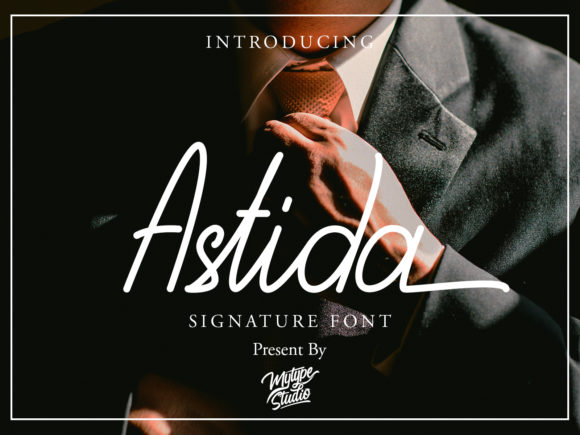
At its heart, Astida is a display font characterized by its fluid, cursive structure. It mimics the movement of a calligraphy pen but retains enough legibility to be used effectively in headlines and short blocks of text. The primary technical advantage that sets it apart from many other handwritten styles is its encoding. Astida is PUA encoded, which stands for Private Use Area.
This technical detail might sound dry, but it has profound practical implications for anyone working with digital design. Standard fonts often limit access to special characters, swashes, and alternate glyphs due to licensing or technical constraints. With PUA encoding, every single glyph and swash in the Astida family is accessible without complex workarounds. You can easily swap standard letters for their decorative counterparts, add elegant flourishes, and mix character variations seamlessly within the same line of text. This flexibility ensures that your typography looks intentional and polished, rather than forced or inconsistent.
Why Beginners Should Embrace This Font
For those just starting their journey in graphic design or content creation, the fear of making a mistake is common. Typography can feel intimidating, with endless rules about kerning, leading, and hierarchy. Astida simplifies this process. Because the font is designed with a natural flow, it often requires less manual tweaking to look good compared to geometric or highly structured fonts. A beginner can drop this text onto a canvas, and it immediately carries a sense of sophistication.
Ease of use is a major priority for novices who want high-quality results without spending hours learning advanced software features. Astida allows users to focus on composition and color rather than struggling with letter spacing. Furthermore, the availability of swashes means that even if a user lacks advanced skills in manipulating individual anchor points, they can still achieve a custom look by simply selecting different character alternates provided in the font file.
The Professional's Perspective on Quality and Flexibility
Experienced designers and professionals approach typography with a critical eye. They understand that a font must serve the message while adhering to brand guidelines. For these users, the value of Astida lies in its quality and reliability. In branding projects, consistency is key. Astida provides a consistent yet organic voice that can define a brand's personality without looking dated or overly trendy.
Consider a marketing team launching a new product. They need packaging that stands out on a crowded shelf. A standard bold font might get lost among competitors. However, Astida's handwritten style suggests craftsmanship and attention to detail, which can elevate the perceived value of the product. Professionals also appreciate the PUA encoding because it integrates smoothly into vector-based workflows. There is no need to convert text to outlines prematurely or worry about missing glyphs when sharing files with clients or printers. The font remains editable, allowing for last-minute adjustments that are crucial in fast-paced commercial environments.
Creatives and Artists Finding Their Voice
Illustrators, bloggers, and social media influencers often rely on visual storytelling. For them, typography is an extension of their art. Astida acts as a collaborator rather than just a utility. When creating illustrations, the artist can use the font to integrate text directly into the drawing, maintaining a cohesive aesthetic. The swashes can mimic brush strokes, blurring the line between writing and drawing.
In the realm of social media, speed and engagement are vital. Content creators need visuals that stop the scroll. A quote overlaid on an image using Astida feels more personal and intimate than one set in a standard system font. It invites the viewer to pause and read. For hobbyists and small business owners selling handmade goods, this font is particularly powerful. It communicates "made with care," reinforcing the narrative behind the product. Whether it is a wedding invitation, a recipe card, or a promotional flyer for a boutique shop, Astida adds a layer of warmth that resonates deeply with consumers.
Educators and Publishers Prioritizing Clarity
One might assume that a handwritten font is too informal for educational materials, but Astida challenges that notion. Educators and publishers often struggle to balance authority with approachability. While body text should remain neutral, headings and pull quotes benefit from a distinct voice. Using Astida for chapter titles or key takeaways can make learning materials feel more engaging and less sterile.
The PUA encoding ensures that educators can access special symbols or stylistic alternatives without needing to install multiple font families. This reduces clutter in their workflow and keeps their digital assets organized. For publishers, the long-term usefulness of a font is essential. Astida's contemporary charm ensures it will not look outdated in a few years, protecting the investment in the asset. It offers a timeless quality that fits well alongside classic editorial designs.
Making the Right Choice for Your Project
Deciding whether to incorporate Astida into your next project depends on your specific goals. If you are looking for a font that demands attention through sheer size and weight, a heavy sans-serif might be better. However, if your goal is to convey elegance, creativity, or a personal connection, Astida is likely the ideal match.
- For Branding: Use it for logos and taglines where uniqueness is paramount.
- For Packaging: Leverage its texture to suggest premium quality and artisanal production.
- For Social Media: Utilize it for quotes and headers to increase engagement rates.
- For Illustration: Blend the text with artwork for a unified visual style.
Ultimately, the decision comes down to the feeling you want to evoke. Astida is a tool that empowers you to break away from the uniformity of digital defaults. It invites you to write with intention. By understanding its strengths—its ease of use for beginners, its robust feature set for professionals, and its expressive nature for artists—you can determine if it aligns with your current needs. In a world saturated with digital noise, offering something that feels handcrafted is a powerful way to connect with your audience.
Whether you are a freelancer looking to expand your portfolio, a business owner trying to differentiate your products, or a hobbyist sharing your passion online, Astida provides the foundation for a more compelling visual narrative. It is not just about selecting a font; it is about choosing the right voice for your story.