Hengky Font Evaluation
Selecting the right typeface is a critical step in any design project, as the font chosen sets the visual tone and influences how the audience perceives the message. Hengky has emerged as a specific option for designers seeking a modern, handwritten aesthetic that balances readability with artistic flair. This article provides an objective evaluation of Hengky, exploring its technical characteristics, ideal use cases, and potential limitations to help you determine if it aligns with your specific design goals.
Understanding the Hengky Typeface
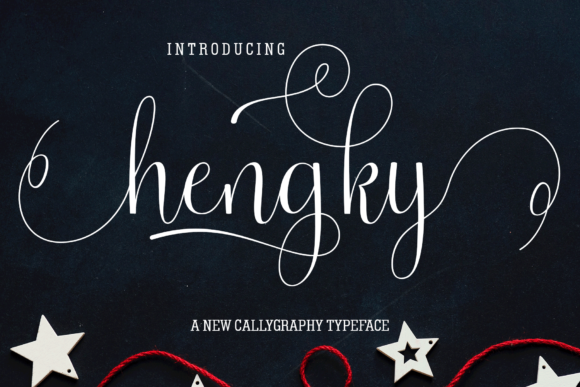
Hengky is classified as a handwritten display font. Visually, it is characterized by a fluid, organic stroke weight that mimics natural penmanship while maintaining a structured, modern layout. Unlike traditional cursive scripts that can be difficult to read at small sizes or from a distance, Hengky retains a high level of legibility. The characters feature varying line weights and subtle irregularities that give the text a human touch, distinguishing it from rigid, geometric sans-serif fonts or overly decorative vintage styles.
The font's "modern" classification suggests it avoids the heavy flourishes often found in classic calligraphy. Instead, it offers a clean, stylish appearance suitable for contemporary branding and digital media. The design intent appears to be bridging the gap between casual handwriting and professional typography, making it versatile enough for both personal projects and commercial applications.
Technical Features and Accessibility
A significant technical advantage of Hengky lies in its encoding structure. The font utilizes PUA (Private Use Area) encoding. In standard Unicode, there are limited slots for special ligatures, swashes, and alternate glyphs. By utilizing the Private Use Area, the font designer can pack a vast array of stylistic alternatives into the character set without conflicting with standard keyboard inputs.
This encoding method allows users to access all available glyphs and swashes with relative ease through compatible design software. For a designer, this means:
- Comprehensive Variety: Access to numerous alternates for individual letters ensures that repeated words do not look monotonous.
- Stylistic Swashes: Extended strokes on capital letters or connecting letters can be activated to add elegance to headings.
- Customization: Designers can mix and match different glyph versions to create unique word shapes within a single sentence.
However, it is important to note that PUA encoding requires the recipient of the file or the user viewing the final output to have the font installed correctly. If the font is not embedded properly in a PDF or web environment, the specific PUA characters may revert to default symbols or appear as boxes, which can disrupt the intended design flow.
Ideal Applications for Hengky
Due to its specific aesthetic qualities, Hengky performs exceptionally well in contexts where a personal, intimate, or creative connection is desired. It is particularly effective in scenarios where the content relies on emotional resonance rather than dense information delivery.
Wedding Invitations and Stationery
One of the primary strengths of Hengky is its suitability for wedding invitations. The handwritten style evokes a sense of tradition and personal care, which is central to wedding stationery. The font's clarity ensures that essential details like names, dates, and locations remain readable, while the stylistic elements add the necessary romantic flair. It works equally well for thank-you cards and greeting cards, where the goal is to convey warmth and appreciation.
Branding and Logos
In the realm of business identity, Hengky offers a distinct alternative to standard corporate fonts. For brands aiming to project creativity, approachability, or artisanal quality—such as boutique coffee shops, handmade craft stores, or lifestyle blogs—this font can serve as a strong logo mark. Its modern twist prevents it from looking dated, allowing businesses to maintain a fresh image while utilizing a script typeface.
Quotes and Social Media Graphics
Digital marketing often relies on imagery to stop scrolling. Hengky is highly effective for overlaying quotes on images for social media platforms. The contrast between the handwritten text and photographic backgrounds creates visual interest. Because the font is stylish but not overly ornate, it does not compete aggressively with the underlying image, allowing the message to stand out clearly.
Considerations and Potential Tradeoffs
While Hengky is a powerful tool, it is not a universal solution. Designers must weigh several factors before committing to this typeface for a project.
Legibility in Small Sizes
Handwritten fonts often struggle when scaled down significantly. While Hengky is designed to be more legible than many scripts, using it for body text in long-form documents, such as reports or books, is generally inadvisable. The variation in stroke width and the presence of swashes can cause eye fatigue during extended reading sessions. It should be reserved for headlines, pull quotes, and short captions.
Web Embedding Challenges
For web designers, integrating PUA-encoded fonts can present challenges. Standard web fonts usually rely on Unicode mapping. To use Hengky effectively on a website, developers may need to utilize CSS @font-face rules carefully or employ JavaScript libraries that map specific keys to the correct PUA characters. Without proper implementation, the unique swashes and alternates may not render correctly across different browsers or devices.
Tone Consistency
The "handwritten" nature of Hengky implies informality. While this is perfect for creative industries, it may undermine the authority required for legal documents, financial institutions, or serious news outlets. Using this font in a context requiring strict professionalism could dilute the perceived credibility of the message.
Comparative Analysis: When to Choose Alternatives
Evaluating Hengky involves comparing it against other categories of typefaces depending on the project requirements.
- Formal Serif Fonts: If the project requires a sense of history, authority, or academic rigor (e.g., a law firm brochure), a traditional serif font like Garamond or Baskerville would be a more appropriate choice than Hengky.
- Clean Sans-Serif Fonts: For tech startups or minimalistic designs where maximum clarity and neutrality are paramount, a geometric sans-serif like Helvetica or Roboto would offer better readability and a more modern, utilitarian feel compared to the decorative nature of Hengky.
- Classic Calligraphy Scripts: If the goal is to evoke a Victorian era or a very formal, old-world wedding style, a font with heavier flourishes and more complex ligatures might be preferred over the cleaner lines of Hengky.
Decision-Making Insights
To determine if Hengky is the right fit, consider the following checklist based on your project needs:
- What is the primary emotion? If you need to convey warmth, creativity, or personal connection, Hengky is a strong candidate. If you need to convey speed, efficiency, or cold precision, look elsewhere.
- How much text will be displayed? If the usage is limited to titles, logos, or short phrases, Hengky excels. If you need to typeset paragraphs of text, avoid it.
- Is technical compatibility a concern? Ensure that your workflow supports PUA encoding and that you have a plan for embedding the font if the project moves to the web or print production.
- Does the style match the brand? Review your existing brand guidelines. Does the organic, modern vibe of Hengky complement your current visual identity, or will it clash?
Conclusion
Hengky represents a solid option for designers seeking a modern handwritten typeface that balances style with functionality. Its PUA encoding provides a rich toolkit of glyphs and swashes, allowing for high levels of customization in creative projects. However, its effectiveness is contingent upon appropriate application. It shines in editorial headers, invitation suites, and branding assets where a human touch is desired, but it lacks the versatility required for dense body copy or strictly formal contexts.
By understanding these strengths and limitations, designers can make informed decisions. If the project calls for a blend of contemporary design and personal expression, Hengky is likely to be a valuable asset in the typographic toolkit.