Vintage Wedding Invitation Template: A Practical Review for Modern Couples
In the landscape of wedding planning, few elements carry as much weight as the invitation. It is the first tangible interaction a guest has with your special occasion, setting the tone for the entire event. For professionals and creators who value efficiency without sacrificing aesthetics, the Vintage Wedding Invitation Template, specifically the A5 Vintage Wedding Invitation Vol 2, offers a compelling solution. This digital asset is designed for those who want to bypass expensive design agencies while maintaining a high standard of print quality.
This review evaluates the template not as a marketing pitch, but as a functional tool. We will examine its technical specifications, usability within professional software environments, and how it fits into a realistic workflow for busy individuals managing their own events or client projects.
Understanding the Core Offering
The product in question is a single-sided digital file formatted for A5 dimensions (4.25 x 6.25 inches), including a 0.25-inch bleed area. In the world of graphic design, these specific measurements are critical. The inclusion of bleed ensures that when the invitation is trimmed by a professional printer, no white edges appear on the final piece. This attention to detail indicates that the template was built with commercial printing standards in mind, rather than just casual home printing.
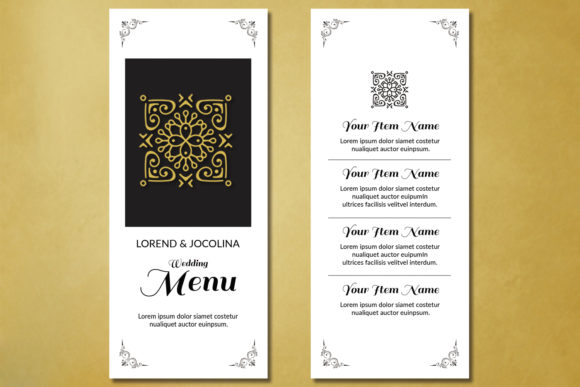
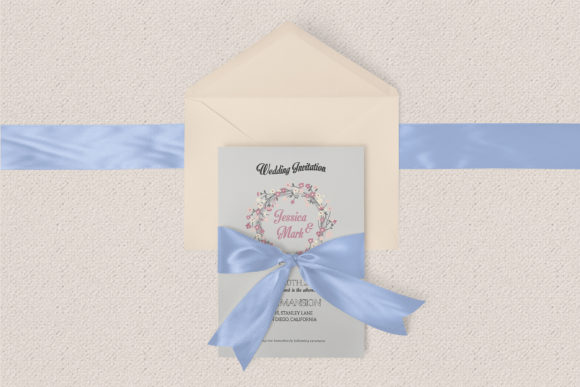
The "Vintage" aesthetic typically implies a specific set of design cues: ornate typography, floral motifs, muted color palettes, and textured backgrounds. However, the true value of this Vintage Wedding Invitation Template lies in its structure. It is delivered as a layered Photoshop document (.PSD). This means the design is not a flattened image where text cannot be changed; instead, every element is separated. This layering allows users to modify text, adjust colors, or rearrange components without disrupting the underlying artistic integrity of the invitation.
Technical Requirements and Usability
For anyone considering this resource, understanding the software requirements is the first step toward success. The minimum requirement is listed as Photoshop CS3 or later. While this seems like a low bar, it is worth noting that modern versions of Adobe Creative Cloud offer significantly more robust tools for handling layers and smart objects. If you are a freelancer or small business owner already equipped with current software, the learning curve should be minimal.
- Layered File Structure: The file comes fully organized. Text layers are distinct from background graphics, allowing for precise editing.
- No External Images Needed: One common frustration with free or cheap templates is missing linked assets. This template includes all necessary imagery within the PSD, ensuring that opening the file results in a complete design immediately.
- Read Me Documentation: The package includes files detailing font information. This is a crucial component often overlooked. Using the correct fonts ensures that the typographic hierarchy remains intact, preserving the vintage charm intended by the designer.
From a practical standpoint, the ease of customization is the primary selling point. You do not need to be a master illustrator to create a cohesive look. By simply swapping out the placeholder text for your names, dates, and venue details, the template handles the heavy lifting of layout and design consistency.
Real-World Performance and Quality
When evaluating the performance of a Vintage Wedding Invitation Template, we must look at how it translates from screen to paper. The A5 size is slightly larger than the traditional DL envelope size often used for save-the-dates, making it a substantial and formal choice for the main invitation. The 4.25 x 6.25 inch format provides ample space for essential information without feeling cramped.
The visual quality depends heavily on the resolution of the exported file. Since this is a vector-based or high-resolution raster design, exporting at 300 DPI is standard practice for professional printing. Users should ensure they export their final designs as PDFs or high-quality JPEGs to maintain sharpness in the fine details of the vintage flourishes. If printed on cardstock with a matte or textured finish, the vintage aesthetic can achieve a premium feel that rivals custom-designed invitations costing hundreds of dollars.
However, there are limitations to consider. The vintage style is specific. It may not suit a couple seeking a minimalist, modern, or industrial look. The ornate nature of the design works best for weddings with a classic, romantic, or rustic theme. Attempting to force this template into a contemporary context might result in a clash of styles. Furthermore, while the text is editable, changing the font family entirely can sometimes disrupt the balance of the design if the new font does not match the weight and character of the original typeface.
Ideal Use Cases and Target Audience
This digital resource is particularly well-suited for a specific demographic of users. It appeals to:
- Budget-Conscious Couples: Professionals aged 20–40 who want to allocate funds elsewhere but still desire a bespoke look.
- Freelance Designers: Those who need quick, reliable assets to fulfill client requests without starting from scratch.
- Small Business Owners: Event planners or stationery sellers looking to expand their inventory with customizable options.
- Hobbyist Creators: Individuals who enjoy DIY projects and have access to basic graphic design tools.
For a marketer or blogger organizing their own wedding, this template saves weeks of research and design time. Instead of hiring a designer for $500+, one can purchase this file for a fraction of the cost and spend the saved time curating other aspects of the event. The ability to edit the file locally also means you retain full control over the timeline. There is no waiting for a third party to make changes; you can iterate on the design instantly.
Potential Limitations and Considerations
While the A5 Vintage Wedding Invitation Vol 2 is a robust tool, it is not without constraints. The reliance on Photoshop is a barrier for users who prefer simpler tools like Canva or Microsoft Word. If you do not have access to Adobe Creative Cloud, you will need to find an alternative method to open and edit the .PSD file, which can be technically challenging for non-designers.
Additionally, the "single-sided" nature of the file means that if you require a matching RSVP card or an insert for the back of the invitation, you would need to design those separately or purchase additional assets. The template provides the front cover, but the ecosystem of the invitation suite requires further thought. Consistency across the suite is key to a polished presentation, so users must ensure any add-on materials match the color palette and font usage of this primary template.
Another consideration is the longevity of the software. While Photoshop CS3 is the minimum, older versions lack features found in newer releases, such as advanced masking and non-destructive editing tools. Users working with legacy software might find certain effects difficult to replicate or modify. Upgrading to a current version of the software is highly recommended for the smoothest experience.
Conclusion: Is It Worth the Investment?
The decision to use a Vintage Wedding Invitation Template ultimately comes down to balancing cost, effort, and aesthetic goals. For those who possess the requisite software skills and appreciate the vintage genre, this template offers significant value. It delivers a professional-grade foundation that eliminates the guesswork of layout and typography.
The inclusion of bleed marks, layered organization, and comprehensive documentation demonstrates a level of care that benefits the end user. It transforms a complex design task into a manageable editing exercise. Whether you are a bride planning her dream day or a creative professional fulfilling a client's needs, this resource provides a reliable path to creating memorable stationery.
If your project aligns with the vintage aesthetic and you are comfortable navigating Adobe Photoshop, this digital file is a practical, efficient, and effective choice. It empowers you to produce high-quality results without the overhead of traditional design services, making it a smart addition to any wedding planning toolkit.