Chocolate Dream: A Strategic Asset for Visual Storytelling and Brand Personality
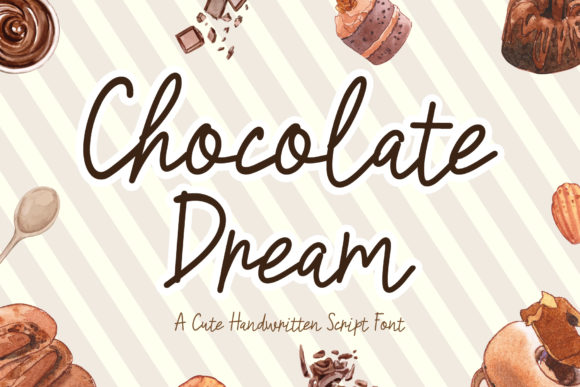
In the crowded landscape of digital communication, visual hierarchy is not merely an aesthetic choice; it is a critical component of cognitive processing. When a viewer encounters content on social media, a landing page, or a printed flyer, their brain scans for cues that indicate tone, authority, and intent within milliseconds. Chocolate Dream enters this ecosystem as a distinct typographic voice. It is a cute handwritten font that brings a playful and a little bit quirky energy to any design project. While its whimsical appearance might suggest it is reserved solely for children's parties or casual scrapbooking, strategic decision-makers recognize that every typeface carries specific psychological weight. Used with intention, Chocolate Dream can bridge the gap between professional credibility and human connection.
The primary value of integrating Chocolate Dream into your workflow lies in its ability to soften rigid corporate structures without sacrificing clarity. For entrepreneurs, marketers, and creators who struggle to differentiate their brand in saturated markets, the unique texture of a handwritten style offers a tactile quality that sans-serif or serif fonts often lack. This font is the perfect fit for your social media posts, posters, cards, and cute greeting cards, but its utility extends far beyond simple decoration. When deployed correctly, it signals approachability, creativity, and a focus on the personal touch—attributes that are increasingly valuable in an era dominated by automated content and algorithmic feeds.
Defining the Strategic Role of Handwritten Typography
To understand how Chocolate Dream functions as a tool rather than just a decoration, one must first analyze the psychology of handwriting in branding. Handwriting implies effort, individuality, and authenticity. Unlike machine-generated text, which feels mass-produced and impersonal, a script font like Chocolate Dream suggests a human hand behind the message. For small business owners and freelancers, this distinction is vital. It transforms a transactional interaction into a relational one.
However, strategic planning requires more than just selecting a "fun" font. It involves understanding the context in which the font operates. Chocolate Dream is characterized by its playful curves and slightly irregular structure. This quirkiness makes it excellent for capturing attention, but it also demands discipline. If used as the primary body text for a technical manual or a financial report, it would undermine the perceived expertise of the author. The goal is not to replace standard typography entirely but to use Chocolate Dream as a strategic accent that guides the user's emotional response at key moments.
- Attention Capture: In a feed where users scroll rapidly, the unique shape of Chocolate Dream creates a visual pause. It breaks the monotony of blocky headlines.
- Emotional Resonance: The font evokes feelings of warmth, nostalgia, and joy, which can be leveraged to increase engagement rates on promotional materials.
- Brand Differentiation: By adopting a specific personality trait through typography, brands can stand out against competitors who rely on generic industry standards.
Application in Social Media and Digital Marketing
Social media platforms are inherently visual and ephemeral. Content lives for seconds before being swiped away. In this environment, Chocolate Dream serves as a powerful hook. Consider a scenario where a lifestyle blogger or a creative agency needs to announce a new product launch or a limited-time offer. Using a standard bold sans-serif headline might convey information efficiently, but it lacks character. Replacing the main headline with Chocolate Dream immediately sets a tone of excitement and exclusivity.
For marketers, the strategic application here is about framing. Use Chocolate Dream for the "call to action" or the most important value proposition in a graphic. Because the font is playful, it lowers the barrier to entry for the audience. It tells the viewer, "This is safe," "This is fun," and "This is worth your time." When designing posters or event invitations, the font's natural flow mimics the act of writing a note to a friend, which increases the likelihood of the recipient engaging with the content. However, consistency is key. Randomly switching between serious corporate fonts and Chocolate Dream can confuse the audience about the brand's identity. The strategy should be to define Chocolate Dream as the "voice of the brand's personality" while maintaining other fonts for structural data.
Operationalizing Creativity in Physical Products
The utility of Chocolate Dream extends seamlessly from digital screens to physical media. In the realm of print, the tactile nature of a handwritten font translates well onto paper, enhancing the perceived value of the item. For educators, hobbyists, and publishers, this font offers a way to make learning materials or instructional guides feel less daunting and more inviting.
Imagine a teacher creating a certificate of achievement for a student. A standard Times New Roman or Arial font looks official but cold. Chocolate Dream, with its cute and quirky edges, adds a layer of celebration and genuine care. Similarly, for small business owners producing packaging or greeting cards, the font can elevate a standard product into a memorable experience. Customers are more likely to share a beautifully designed card or a uniquely packaged item on social media, effectively turning their customers into brand ambassadors. This organic marketing is a high-value outcome that stems from thoughtful design choices.
When planning these projects, consider the following operational tips:
- Pairing Strategy: Chocolate Dream works best when paired with a clean, neutral sans-serif font (like Helvetica, Open Sans, or Lato). The clean font handles the heavy lifting of readability for details, dates, and addresses, while Chocolate Dream highlights the emotional core of the message.
- Color Synergy: To maximize the impact of the font, pair it with warm color palettes. Earth tones, soft pastels, or rich chocolates complement the name and the style, reinforcing the brand's thematic elements.
- Space Management: Handwritten fonts often have varying stroke widths and spacing. Ensure there is adequate white space around Chocolate Dream elements so they do not appear cramped or difficult to read.
Risks and Mitigation in Professional Contexts
No tool is without its risks, and typography is no exception. The most significant pitfall in using Chocolate Dream is overuse or misuse in contexts that demand gravity. There is a fine line between "playful" and "unprofessional." If a law firm or a medical practice uses Chocolate Dream for their primary branding, it may inadvertently signal a lack of seriousness or competence to potential clients who prioritize reliability over whimsy.
Decision-makers must conduct a thorough audit of their communication goals before committing to this font. Ask yourself: Does my target audience expect formality or informality? Is the message I am conveying urgent and critical, or is it meant to inspire and entertain? If the answer leans towards the latter, Chocolate Dream is a strong candidate. If the former, it should be avoided or used extremely sparingly.
Another risk is legibility. The quirks that make Chocolate Dream charming can sometimes reduce readability, especially at small sizes or on low-resolution screens. A strategic approach involves testing the font across various mediums. Before finalizing a poster or a mobile ad, verify that the text remains crisp and readable. If the letters become indistinguishable blobs, the design has failed its primary function: communication. In such cases, scaling up the font size or simplifying the layout is necessary.
Making Better Decisions with Intentional Design
Achieving better results in design and marketing often comes down to intentionality. Rather than selecting Chocolate Dream because it is trendy or because it is free, select it because it aligns with a specific strategic objective. Perhaps the goal is to reposition a brand as more community-focused. Perhaps the aim is to humanize a customer service interaction. Or maybe the objective is simply to create a memorable unboxing experience for a new product line.
When you approach Chocolate Dream with a clear plan, it transforms from a decorative element into a functional asset. It becomes a part of the narrative arc of your brand story. For bloggers and publishers, using this font in newsletter headers or special edition covers can increase open rates by signaling that the content inside is curated with care and personal insight. For freelancers, incorporating it into proposals or pitch decks can demonstrate creativity and attention to detail, setting them apart from competitors who submit generic documents.
The long-term value of using Chocolate Dream effectively lies in building a consistent visual language. Over time, audiences will begin to associate the specific look and feel of the font with the qualities of your brand. They will anticipate the playfulness and the warmth. This association builds trust and loyalty. However, this only happens if the usage is consistent and context-aware. Do not let the novelty of the font fade into a gimmick. Instead, let it mature into a recognizable signature of your creative identity.
In conclusion, Chocolate Dream is more than just a cute handwritten font; it is a strategic instrument for those who wish to communicate with heart and clarity. Its playful and a little bit quirky nature makes it the perfect fit for your social media posts, posters, cards, and cute greeting cards, provided it is used with foresight. By understanding the nuances of its application, avoiding common pitfalls, and aligning its use with broader business goals, professionals can leverage this typeface to enhance their brand positioning, improve customer engagement, and achieve superior outcomes in their creative endeavors. The key is to remain grounded in realistic use cases, ensuring that every instance of Chocolate Dream serves a purpose beyond mere aesthetics.