Discovering the Delicate Charm of Fabriola: A Guide to Handwritten Typography
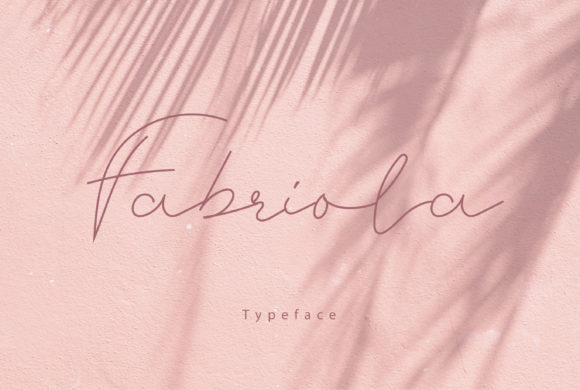
In the vast landscape of digital design and print media, selecting the right typeface is often a matter of balancing aesthetic appeal with functional clarity. Among the myriad of options available, Fabriola stands out as a distinctive choice for designers seeking a specific emotional resonance. It is not merely a font; it is a tool that conveys intimacy, nostalgia, and a personal touch. As a delicate and romantic handwritten font, Fabriola offers thin lines and sweet curves that bring life to dearest creations. Whether you are designing a wedding invitation, a boutique packaging label, or a heartfelt blog post, understanding the nuances of this typeface is essential for making an informed decision.
This article explores the characteristics of Fabriola, evaluates its strengths and limitations, and compares it within the broader context of script and handwriting fonts. The goal is to provide a clear, practical framework for determining when this specific font is the ideal solution for your project and when alternative approaches might serve you better.
What Makes Fabriola Distinct?
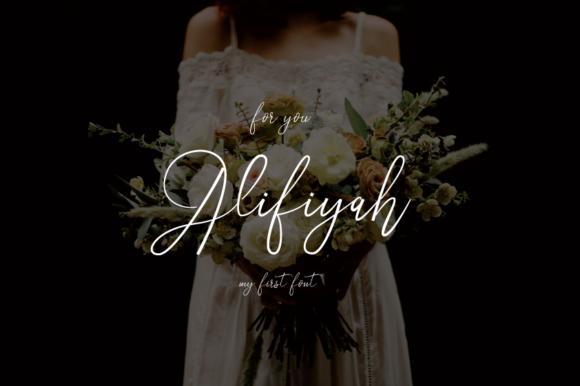
To understand why a designer might choose Fabriola over other scripts, one must first analyze its visual DNA. Unlike bold, brush-style scripts that mimic the energy of calligraphy markers, Fabriola is defined by its delicacy. The strokes are thin, creating an airy feel that suggests lightness and grace. This "sweet" quality is achieved through consistent line weights and rounded terminals that avoid harsh angles.
The font's primary strength lies in its ability to evoke emotion without overwhelming the viewer. In a world dominated by rigid sans-serifs and blocky serifs, Fabriola introduces a human element. It mimics the natural flow of a hand writing with a fine nib or a soft pencil. This characteristic makes it particularly effective for projects that require a sense of authenticity and warmth. When used correctly, it transforms a standard layout into something that feels curated and personal.
However, this distinctiveness comes with specific requirements. Because the lines are thin, the font relies heavily on contrast and spacing to remain legible. It does not possess the heavy presence of display fonts, which means it is best suited for headlines, accents, or short phrases rather than long blocks of body text. Understanding this limitation is crucial before integrating it into a design system.
Evaluating Fit: When Fabriola Shines
Selecting a font is ultimately about matching the tool to the task. Fabriola excels in scenarios where the message is intimate, celebratory, or artistic. Below are specific contexts where this font proves to be the superior choice:
- Wedding and Event Stationery: The romantic nature of Fabriola aligns perfectly with the tone of weddings, anniversaries, and baby showers. Its thin strokes add a layer of elegance that formal serif fonts sometimes lack, while remaining more readable than overly ornate swash scripts.
- Branding for Lifestyle Businesses: For boutiques selling handmade goods, organic skincare, or artisanal foods, Fabriola can communicate craftsmanship and care. It suggests that the product was made with attention to detail, mirroring the precision of the font itself.
- Digital Content and Social Media: In an era of digital fatigue, a handwritten touch can stop the scroll. Using Fabriola for pull quotes, headers, or logo marks on Instagram or Pinterest can create a cohesive, friendly brand voice that resonates with audiences aged 20 to 50 who value authenticity.
- Personal Projects and Journals: For scrapbooking, digital journals, or personalized gifts, the font acts as a substitute for actual handwriting, offering consistency while retaining the charm of a personal note.
In these situations, the font serves a dual purpose: it provides visual interest and reinforces the narrative of the content. The "thin and sweet" profile ensures that the design does not feel cluttered, allowing the imagery and the message to breathe.
Comparative Analysis: Strengths and Tradeoffs
When evaluating typography, designers rarely look at a single font in isolation. Instead, they consider how it fits into a hierarchy alongside other typefaces. Comparing Fabriola to other categories of fonts reveals important tradeoffs that influence the final design outcome.
Versus Brush Scripts
Brush scripts are characterized by thick downstrokes and thin upstrokes, mimicking the pressure of a paintbrush. While brush fonts offer high energy and dynamism, they can often appear aggressive or chaotic if overused. Fabriola, by contrast, is subdued and calm. If a project requires a modern, edgy vibe, a brush script might be preferable. However, if the goal is to convey tenderness or sophistication, Fabriola is the stronger candidate. The tradeoff here is impact versus subtlety; brush fonts grab attention immediately, whereas Fabriola invites closer inspection.
Versus Formal Calligraphy
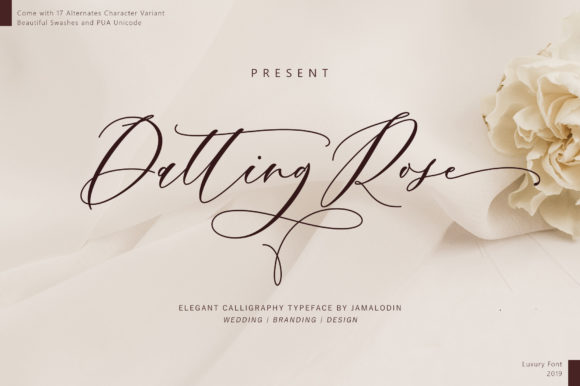
Formal calligraphy fonts often feature elaborate flourishes, swashes, and complex ligatures. These fonts are stunning but can suffer from poor legibility, especially at smaller sizes. They also require careful kerning to ensure the connections between letters do not become messy. Fabriola simplifies this dynamic. It maintains a handwritten feel without the excessive ornamentation. This makes it more versatile for mixed-media designs where text needs to coexist with photography or graphic elements. The tradeoff is a reduction in decorative flair in exchange for greater usability and cleaner aesthetics.
Versus Sans-Serif and Serif Body Text
One of the most common mistakes in typography is using a script font like Fabriola for paragraphs. Due to its thin weight and irregular letterforms, Fabriola becomes difficult to read after a few lines. In comparison, traditional serif or sans-serif fonts are designed for endurance reading. The decision factor here is function: use Fabriola for emotional impact (headlines) and rely on neutral fonts for information delivery (body text). Pairing Fabriola with a clean, geometric sans-serif creates a balanced contrast that highlights the script without sacrificing readability.
Navigating Limitations and Technical Considerations
While Fabriola is a beautiful asset, it is not a universal solution. Designers must be aware of technical constraints to avoid compromising the quality of their work. The most significant limitation is legibility at small scales. On mobile devices, where screen real estate is limited, thin strokes can disappear or blur, rendering the text illegible. In such cases, a bolder variant of a script font or a different typeface altogether may be necessary.
Another consideration is color contrast. Because the font is thin, it requires high contrast against its background to stand out. Placing white Fabriola text on a light beige background will result in a washed-out effect. Conversely, black text on a dark background may lose definition. To mitigate this, designers should experiment with background textures or colors that provide sufficient depth to support the delicate lines of the typeface.
Furthermore, the "handwritten" nature of the font implies imperfection. While this adds character, it can also lead to inconsistencies in alignment if not managed carefully. Unlike monospaced or strictly grid-based fonts, Fabriola requires manual adjustment of tracking and leading to ensure a professional finish. This demands a higher level of typographic skill from the user compared to using standard system fonts.
Making the Right Choice for Your Project
The decision to use Fabriola should be driven by the specific goals of the project. If the objective is to create a sense of connection, warmth, and personalization, then Fabriola is likely the right choice. It is particularly effective when the audience expects a human touch, such as in greeting cards, invitations, or lifestyle branding.
However, if the project prioritizes maximum readability, corporate authority, or data-heavy presentation, Fabriola may be too delicate to carry the load. In these instances, a more robust typeface would be more appropriate. It is also worth considering whether the font aligns with the overall brand identity. A minimalist tech startup might find the romantic sweetness of Fabriola to be tonally dissonant, whereas a floral shop or a craft studio would find it perfectly aligned.
Ultimately, the power of Fabriola lies in its restraint. It does not shout; it whispers. By understanding its distinct characteristics, comparing it thoughtfully against alternatives, and respecting its limitations, designers can leverage this font to create work that is both visually striking and emotionally resonant. Whether used for a single headline or a full suite of branding materials, Fabriola remains a powerful tool for bringing life to dearest creations.