Why Siri Talking is Redefining Handwritten Typography for Modern Creators
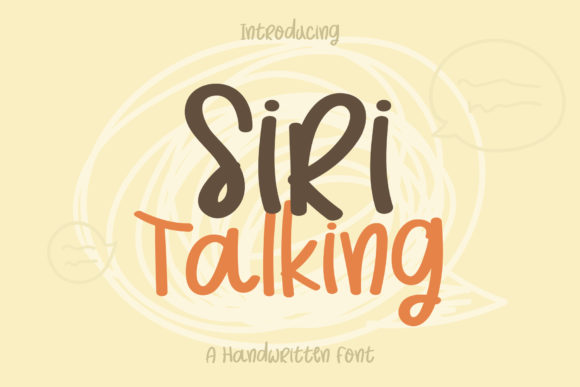
In a digital landscape dominated by sterile, geometric sans-serifs and perfectly kerned serif fonts, there is a growing hunger for something that feels human. We are tired of the algorithmic perfection that characterizes so much of modern web design. Enter Siri Talking, a unique and quirky handwritten font that brings an immediate sense of warmth and personality to any project. Its natural and unique style makes it incredibly fitting to a large pool of designs, bridging the gap between professional polish and casual authenticity.
This isn't just about choosing a typeface; it is about communicating a mood. When you integrate Siri Talking into your workflow, you aren't merely adding text; you are injecting a voice. The font's fluid strokes mimic the imperfections of real pen on paper, creating an instant connection with the viewer that standard digital fonts often struggle to achieve. Whether you are a freelancer pitching a brand identity or a blogger sharing personal stories, this tool offers a versatile solution for those who want their content to stand out without sacrificing readability.
The Evolution of Digital Personality
We have witnessed a significant shift in how businesses and individuals approach visual communication over the last decade. For years, the corporate world favored uniformity. Logos were crisp, websites were grid-based, and typography was functional above all else. However, as remote work became the norm and social media platforms reshaped our daily interactions, the demand for "human-centric" design has surged. People crave connection, and they respond better to content that feels crafted by a person rather than generated by a machine.
Siri Talking sits right at the intersection of this trend. It represents the move away from rigid structures toward organic expression. In a market where attention spans are shrinking, a font that looks like a quick note scribbled on a napkin can stop a scroll. It signals authenticity. For entrepreneurs and small business owners, this is crucial. It allows them to build trust by showing the human face behind the product or service. The font's quirks are not flaws; they are features that prove a human hand guided the creation process.
Furthermore, the evolution of user expectations means that audiences now expect brands to have a distinct voice. A generic font suggests a generic brand. By adopting Siri Talking, creators align themselves with a narrative of creativity and individuality. This is particularly relevant for industries like lifestyle blogging, artisanal crafts, and boutique consulting, where the personal touch is the primary selling point.
Bridging Professionalism and Playfulness
One of the most common misconceptions about handwritten fonts is that they lack professionalism. They are often dismissed as too informal for serious business contexts. This is where the versatility of Siri Talking shines. Unlike some script fonts that are difficult to read or overly ornate, this typeface maintains a level of clarity that works well in various settings. It strikes a delicate balance between playful and polished.
- For Marketers: Use it to highlight call-to-action buttons or special offers. The contrast against clean body text draws the eye immediately, increasing engagement rates.
- For Educators: It adds a friendly tone to course materials or presentation slides, making complex information feel more accessible and less intimidating.
- For Freelancers: Incorporating it into proposals or portfolios can showcase your creative flair while still delivering clear, concise information.
The key lies in pairing. Siri Talking is rarely meant to be used for long paragraphs of body copy. Instead, its strength lies in headlines, quotes, labels, and accents. When paired with a neutral, highly readable sans-serif, the handwritten element pops without overwhelming the reader. This combination allows designers to maintain hierarchy while infusing the design with character.
Practical Applications Across Industries
The adaptability of Siri Talking extends far beyond simple graphic design projects. Its application spans across multiple sectors, each finding unique ways to leverage its natural aesthetic. Let's look at how different professionals are integrating this font into their daily workflows.
Content Creators and Bloggers are perhaps the biggest beneficiaries. In an era of AI-generated articles, a blog post that features handwritten headers or pull quotes stands out as a beacon of originality. It suggests that the author took time to curate the content personally. A recipe blog might use the font for ingredient lists, while a travel diary could use it for location names, instantly evoking the feeling of a traveler's journal.
Small Business Owners utilize this font for branding consistency. Imagine a coffee shop menu written entirely in a standard font versus one where the drink names are scripted in Siri Talking. The latter feels inviting and cozy, setting the tone before the customer even takes a sip. Similarly, packaging for handmade goods, such as candles, soaps, or jewelry, benefits immensely from the label aesthetics provided by this font. It elevates the perceived value of the product by associating it with craftsmanship.
Event Planners and Wedding Coordinators have also found a home for this style. Invitations, place cards, and signage designed with Siri Talking convey a sense of intimacy and celebration. The font's natural flow mimics the elegance of traditional calligraphy but with a modern, relaxed twist that fits contemporary wedding themes.
Enhancing User Experience Through Typography
While aesthetics are paramount, we must not overlook the functional aspect of typography. Good design is invisible; it guides the user without them realizing it. Siri Talking contributes to user experience (UX) by establishing emotional resonance. When a user lands on a website or opens an app, the first thing they notice is the typography. If the font feels warm and approachable, the user is more likely to stay longer and explore further.
However, practical implementation requires discipline. The only limit is your imagination, but the limit of usability remains firm. Designers must ensure that the handwriting style does not compromise legibility. This means avoiding overuse and ensuring sufficient contrast between the text and the background. For instance, using a dark charcoal version of the font on a cream background creates a sophisticated look, whereas light gray on white might render the text unreadable.
Additionally, consider the context of the medium. On mobile devices, where screen real estate is limited, Siri Talking should be used sparingly. Large, bold headings work well, but intricate details may get lost on smaller screens. Responsive design principles apply here; the font should scale gracefully, maintaining its character whether viewed on a desktop monitor or a smartphone.
Future-Proofing Your Design Strategy
As we look toward the future of digital design, trends will continue to cycle, but the underlying desire for authenticity will remain constant. Artificial Intelligence is becoming increasingly capable of generating images and text, yet it cannot replicate the nuance of a genuine human stroke. This creates a unique opportunity for designers who embrace tools like Siri Talking.
By incorporating fonts that celebrate human imperfection, you are future-proofing your work against the homogenization of AI-driven design. As technology advances, the value of "hand-crafted" elements will likely increase, not decrease. Consumers will increasingly seek out brands that demonstrate a human touch, and typography is one of the most effective ways to signal that distinction.
For professionals looking to stay ahead, mastering the art of mixing typefaces is essential. Learning when to let Siri Talking take center stage and when to step back and let other fonts support it is a skill that separates good designers from great ones. It requires an understanding of rhythm, balance, and emotional impact. But once mastered, it opens up a world of creative possibilities.
Making the Most of Your Creative Potential
If you are ready to experiment, start small. Take a current project—a newsletter, a social media post, or a slide deck—and introduce Siri Talking as a highlight element. Observe how it changes the perception of the content. Does it make the message feel more personal? Does it encourage interaction? These small experiments will provide valuable insights into how this font can serve your specific goals.
Remember, the goal is not to replace your existing toolkit but to expand it. Siri Talking is a unique and quirky handwritten font, and its natural and unique style makes it incredibly fitting to a large pool of designs. The only limit is your imagination. By embracing its quirks and applying it thoughtfully, you can create designs that resonate deeply with your audience, fostering a sense of community and connection in an increasingly digital world.
Whether you are a seasoned graphic designer or a hobbyist just starting out, the integration of this font offers a fresh perspective. It reminds us that design is not just about following rules; it is about expressing ideas in a way that feels true to the creator and meaningful to the viewer. As you explore the capabilities of Siri Talking, keep an open mind and allow your creativity to guide you. The result will be work that is not only visually striking but also emotionally compelling.